
Table of Contents
ToggleIntroduction
A workshop can start with a simple tapping setup and operate smoothly for years. However, as orders increase, materials change, and customers demand tighter tolerances, the same equipment may struggle to keep up. For manufacturers evaluating Tapping Machine Suppliers, understanding these limitations is an important first step toward improving productivity and thread quality.
An outdated tapping setup does not always fail suddenly. Instead, small problems gradually become part of the daily routine. Operators spend more time correcting threads, production schedules become harder to maintain, and maintenance costs continue to rise. Recognising these warning signs early can help you decide whether your workshop needs a better process, improved tooling, or a new machine.
1. Frequent Thread Quality Issues Are Affecting Your Output
Thread quality is one of the clearest indicators of whether your tapping equipment is performing as expected. If operators frequently encounter damaged threads, inconsistent thread depths, or broken taps, your current setup may need attention.
Common warning signs
- Inconsistent threads: Thread dimensions vary between components, leading to quality checks and rework.
- Broken taps: Tools break more frequently because of unsuitable speeds, excessive force, poor alignment, or inadequate lubrication.
- Thread misalignment: Incorrect positioning creates threads that do not match the component’s design requirements.
- Repeated rework: Operators spend valuable time repairing or replacing rejected parts.
These problems can arise from worn tools, incorrect cutting parameters, unsuitable workholding, or machine limitations. Replacing the equipment alone will not solve every quality issue, so identify the underlying cause first.
What can you do?
Review rejected components, inspect tool condition, and verify tapping speeds, lubrication, and alignment. If the existing equipment cannot maintain the required consistency despite proper adjustments, an Industrial Tapping Machine may offer better control and repeatability for your application.
2. Production Delays Are Becoming Common
A tapping setup that worked well for small orders may struggle when production volumes increase.
Manual positioning, repeated adjustments, and slow tool changes can create bottlenecks, especially when several components require multiple threaded holes.
Look for these signs
- Operators regularly wait for tapping operations to finish.
- Other machining processes remain idle while components wait for threading.
- Production targets are missed despite longer working hours.
- Large orders require overtime to meet delivery deadlines.
- Operators rush through repetitive tasks to keep up with demand.
These issues affect more than the tapping station. A delay in one operation can interrupt the entire production sequence.
How an upgrade can help
A suitable Tapping Machine for Manufacturing can reduce unnecessary manual effort and support a more consistent production process.
Depending on the application, useful features may include:
- Adjustable tapping speeds and controlled feed.
- Quick positioning and easier workpiece access.
- Multiple tapping stations for suitable production layouts.
- Programmable functions for repetitive operations.
- Compatibility with the required tap sizes and materials.
Before investing, measure the current cycle time and identify where delays occur. Compare those findings with the expected cycle time of the proposed setup rather than relying on advertised speed alone.
3. Operator Fatigue and Safety Concerns Are Increasing
Many workshops depend on operators to position components, align taps, and control repetitive movements. While this approach can work for occasional jobs, it becomes demanding when production runs for several hours each day.
An inefficient setup may require repeated bending, awkward reaching, manual alignment, or excessive physical effort.
Signs to watch for
- Operators report discomfort during repetitive tapping tasks.
- Positioning each workpiece takes considerable effort.
- Maintaining alignment requires constant manual correction.
- New operators need extended training to achieve consistent results.
- Fatigue contributes to mistakes toward the end of a shift.
Operator fatigue can affect both productivity and product quality. Poorly arranged workstations may also increase ergonomic risks.
Practical improvements
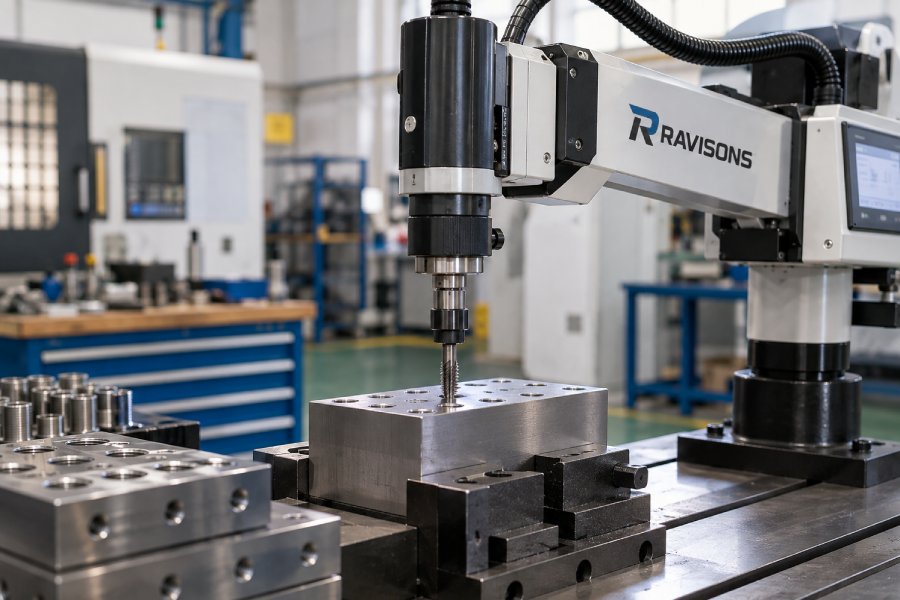
Consider equipment that makes tool positioning and workpiece handling easier. Depending on the application, flexible-arm designs, suitable fixtures, and powered tapping systems may reduce repetitive manual effort. However, automation does not automatically make a workstation safe. Appropriate guarding, emergency stops, secure workholding, operator training, and safe operating procedures remain essential.
A well-designed Tapping Machine Upgrade should improve control and usability while addressing the specific risks identified in your workshop.
4. Maintenance and Operating Costs Keep Rising
A machine does not need to stop working completely to become expensive to operate.
Frequent repairs, recurring tool breakage, long setup times, and increasing scrap rates can gradually reduce the value you get from your existing equipment.
Calculate the hidden costs
Review the following expenses over a representative production period:
- Tooling costs: How often do taps need replacement?
- Downtime: How many productive hours are lost to adjustments and repairs?
- Rework: How much time is spent correcting defective threads?
- Labour: How many operator hours are required per batch?
- Maintenance: Are repairs becoming more frequent or expensive?
For example, suppose a workshop loses 30 minutes per day to tapping-related adjustments and interruptions. Across 22 working days, that amounts to 11 hours of lost time each month.
The actual financial impact depends on labour rates, machine utilisation, and the value of production time. Nevertheless, tracking these figures can help reveal whether the existing setup is still economical.
When should you consider replacing equipment?
Explore alternatives when maintenance costs continue to rise, spare parts become difficult to obtain, or the machine repeatedly fails to meet production requirements. Compare the total cost of ownership, including purchase price, tooling, installation, maintenance, training, and expected operating costs.
The right Industrial Threading Equipment should suit your production needs and provide measurable benefits over the equipment you already have.
5. Your Current Setup Cannot Handle New Production Requirements
Manufacturing requirements rarely remain the same forever. A workshop may begin producing simple components and later receive orders involving different materials, larger batches, deeper threads, or tighter tolerances.
Your current tapping arrangement may not support these changes efficiently.
Has your production changed?
Ask yourself:
- Are you machining harder materials than before?
- Do new components require different thread sizes or depths?
- Have order quantities increased significantly?
- Are customers demanding more consistent quality?
- Do you need to switch between different jobs more frequently?
- Is your existing machine incompatible with your required tooling or fixtures?
If several answers are yes, your workshop may have outgrown its current capabilities.
Match equipment to your actual workload
Different tapping systems suit different production environments. A flexible-arm machine may be useful for components with multiple hole positions, while a programmable or CNC-based system may suit applications requiring repeatable positioning and controlled operations. The best choice depends on the workpiece, thread specifications, material, production volume, and available floor space.
Review your current jobs alongside your expected production needs over the next few years. This helps prevent another equipment bottleneck soon after the investment.
How to Choose the Right Tapping Machine Upgrade
Once you have identified the limitations of your current setup, the next step is to compare suitable alternatives.
Use this checklist before making a purchase.
1. Identify your application
Document the materials you machine, the thread sizes you produce, the required thread depths, and your typical production quantities.
2. Compare machine capabilities
Check spindle speed, tapping capacity, feed control, positioning flexibility, tooling compatibility, and the manufacturer’s stated operating limits.
3. Consider operator requirements
Evaluate ease of use, setup time, workpiece handling, training needs, and the safety features required for your application.
4. Assess long-term operating costs
Include installation, tooling, maintenance, energy consumption, operator time, and potential downtime in your comparison.
5. Review manufacturer support
Ask about technical assistance, spare parts availability, warranty terms, and servicing arrangements. If possible, request a demonstration using components similar to those produced in your workshop.
6. Measure the expected improvement
Estimate how the proposed equipment could affect cycle time, rejection rates, labour requirements, and overall Production Efficiency in Manufacturing.
Use realistic assumptions and compare the results with your current performance. A more expensive machine may be worthwhile if it addresses a genuine production constraint, but higher specifications alone do not guarantee a better investment.
Pros and Cons of Upgrading Your Tapping Setup
An upgrade can provide substantial benefits, but it is important to understand the trade-offs.
| Potential advantages | Potential challenges |
|---|---|
| More consistent threading when the machine suits the application | Higher initial investment |
| Reduced manual positioning and adjustment | Operator training may be required |
| Better support for increased production volumes | Installation may temporarily interrupt production |
| Potential reduction in rework and tool breakage | Tooling or fixtures may need replacement |
| Improved suitability for changing production requirements | Benefits depend on correct setup and maintenance |
The takeaway: Upgrade when the equipment addresses a clearly identified problem. If the main issue is worn tooling, poor lubrication, or incorrect operating parameters, correcting the process may be more cost-effective than replacing the machine.
Conclusion: Make Your Tapping Setup Ready for the Next Stage
A workshop may outgrow its tapping setup gradually, but the consequences can become significant. Inconsistent thread quality, production delays, operator fatigue, rising maintenance costs, and changing manufacturing requirements are all reasons to reassess your existing equipment.
Start by measuring the problems you experience today. Identify the main bottlenecks, check whether process improvements can resolve them, and compare suitable machines against your actual production needs. The goal is not simply to purchase a newer machine. It is to create a safer, more consistent, and more productive threading process that supports your workshop’s future growth.
FAQ’s
Find a tapping solution that fits your production goals.